
PCE liquid, or polycarboxylate superplasticizer liquid, is a third-generation, high-performance water reducer that holds a key position in the concrete industry. In particular, its molecular structure features a distinct comb-like structure, composed of a main-chain anchoring group and pendant hydrophilic groups. Specifically, the main-chain anchoring groups act as “grips,” tightly adsorbing onto the surface of cement particles. At the same time, the pendant hydrophilic groups extend into the aqueous solution, providing the structural foundation for the superplasticizer to function effectively. As a result, this unique molecular structure transcends the performance limitations of traditional water reducing admixtures and opens a new chapter in the field of concrete admixtures.
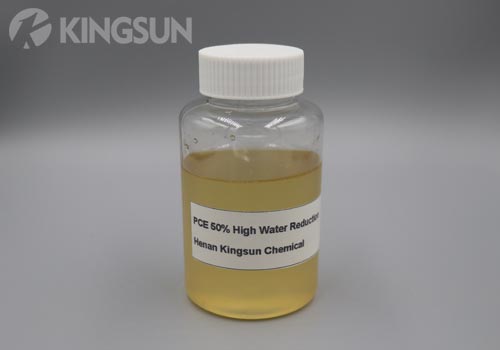
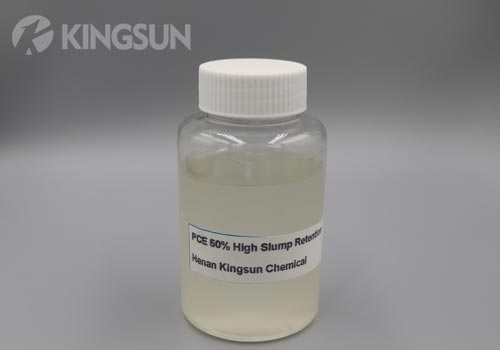
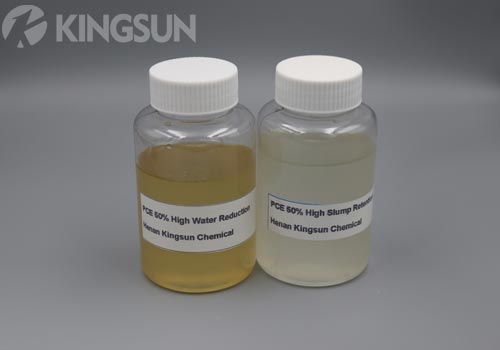
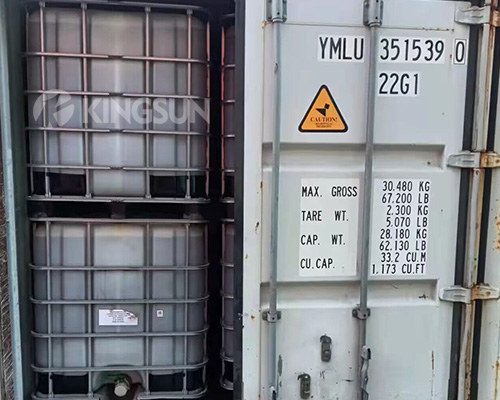
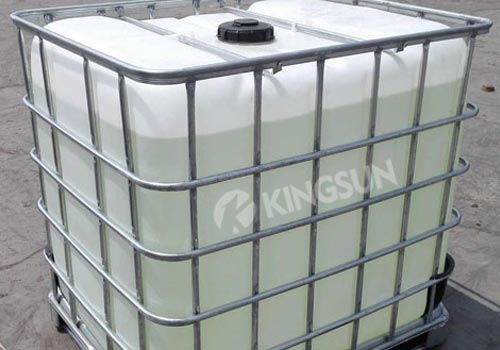
- Product Name: PCE Superplasticizer
- Appearance: light yellow & clear transparent liquid
- Water Reducing Rate: ≥25%
- Solid Content, %: 50±1.0
- PH Value: 6.5-8.5
- CAS No.: 25133-97-5

This product is inherently non-toxic and non-polluting, making it a green chemical building material. During production and use, it releases no harmful substances into the environment, aligning with the current construction industry’s pursuit of green and sustainable development, and providing an ideal admixture for eco-friendly construction.
Performance Advantages of PCE Liquid
(1) Ultra-High Water Reduction Rate. Compared with traditional high-efficiency water reducers, such as naphthalene-based products, PCE liquid offers significantly higher water-reducing performance, with an improvement of up to 35%–45%. In addition, it can substantially reduce mixing water demand during concrete preparation. For example, when producing C50 concrete, this admixture can reduce the conventional water-binder ratio from approximately 0.40 to 0.32. As a result, it helps optimize the internal structure of concrete and supports the production of high-strength, high-performance concrete.
(2) Excellent Slump Retention. Ready-mixed concrete can maintain a slump loss of less than 15% within two hours under suitable conditions. Therefore, this property is particularly useful for commercial concrete that requires long-distance transportation or extended waiting times before placement. For example, when a mixing plant operates far from an urban construction site, the product helps maintain concrete fluidity throughout transportation. Consequently, the material can meet pumping and other placement requirements upon arrival, helping maintain smooth construction progress while reducing material waste and delays caused by excessive slump loss.
(3) Excellent Adaptability. The product provides stable water-reducing and performance-adjusting effects with various cement types, including ordinary Portland cement, slag Portland cement, and fly ash Portland cement. In practice, cement sources can vary depending on the project location and supply conditions. As a result, broad cement compatibility can reduce the need for frequent formulation adjustments. Furthermore, it simplifies mix design and improves the efficiency of concrete production.
(4) Low Shrinkage. The admixture helps reduce concrete shrinkage and deformation during hardening. Compared with concrete without a water reducer, it can reduce shrinkage by approximately 30%–40% under specified conditions. In particular, this characteristic benefits large-scale concrete structures such as bridge foundations and dams. As a result, it can help reduce shrinkage-related cracking, improve structural integrity and durability, and support longer service life.
Technical Specifications
| Items | Standard | ||||
| PCE Liquid (High Water Reduction) | PCE Liquid (High Slump Retention) | PCE Powder | |||
| Appearance | Light Yellow Liquid | Clear Transparent Liquid | White Powder | ||
| Solid Content, % | 50±1.0 | 50±1.0 | 98±1.0 | ||
| Density (23℃) (kg/m3) | 1.13±0.02 | 1.05-1.10 | 600±50 | ||
| PH | 6.5-8.5 | 6.5-8.5 | 9.0±1.0 | ||
| Chloride Content,% ≤ | 0.1 | 0.1 | 0.1 | ||
| Na2SO4 (by solid content), % ≤ | 4.0 | 4.0 | 4.0 | ||
| Solubility | Completely Soluble | ||||
| Water reducing ratio, % ≥ | 25 | ||||
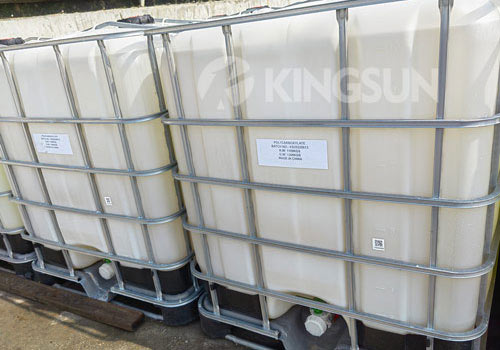
| Packing | The packing of PCE liquid is 230kg PE drum, 1100kg IBC tank or flexitank. But for PCE superplasticizer powder, its packing is 25 kg PP woven bag. | ||||
-
Applicable Scenarios
-
Mechanism of Action
- High-rise building construction. High-rise building construction places extremely high demands on concrete strength and pumpability. PCE liquid helps formulate highly fluid, high-strength concrete to meet the pumping requirements of high-rise construction, ensuring smooth concrete delivery to the designated height and location while also ensuring that the concrete structural strength meets design requirements, safeguarding the building structure’s safety.
- Large-scale bridge construction. Bridge construction involves pouring large volumes of concrete, placing stringent demands on concrete durability and crack resistance. PCE liquid high-efficiency water-reducing agent’s low shrinkage and high durability effectively reduce the risk of cracking during concrete pouring and use, improving the impermeability and erosion resistance of bridge structures and extending their service life.
- Hydraulic structure engineering. Hydraulic structures such as dams and ports are exposed to humid or even underwater environments for extended periods, placing extremely high demands on concrete’s impermeability and frost resistance. Polycarboxylate superplasticizer liquid optimizes the internal pore structure of concrete, increases its density, and significantly enhances its impermeability and frost resistance, resisting the penetration of water and corrosive media, ensuring the long-term stable operation of hydraulic structures.
- 3D printing concrete. 3D printing concrete requires “creamy-smooth” fluidity to pass smoothly through the printing nozzle. PCE polycarboxylate ether liquid can reduce the water-binder ratio to approximately 0.28, imparting excellent fluidity and extrudability to the concrete while ensuring rapid setting after extrusion. This meets the special material property requirements of 3D printing concrete and promotes the development and application of 3D printing technology in construction.
(1) Electrostatic Repulsion
When the anchoring groups in PCE superplasticizer molecules adsorb onto cement particle surfaces, they give the particles similar electrical charges. As a result, the cement particles repel one another due to electrostatic forces. This repulsion promotes particle dispersion and releases water trapped between cement particles. Consequently, the mixture requires less water while maintaining good fluidity.
(2) Steric Hindrance
The hydrophilic side chains extend into the aqueous phase and form a thick solvation layer around the cement particles. In this way, these layers act as a protective barrier when the particles approach each other. The resulting steric hindrance prevents re-agglomeration and helps maintain stable dispersion. Therefore, the concrete can achieve better fluidity and improved slump retention.
(3) Improved Surface Wettability
PCE molecules adsorbed onto cement particle surfaces can reduce the interfacial tension between cement particles and water. As a result, water can wet the particle surfaces more easily and distribute more uniformly throughout the cement paste. Furthermore, better particle wetting promotes more complete cement hydration. This effect can contribute to higher concrete strength and improved durability.
What Are the Precautions for Using PCE Liquid?
Control the Dosage. Strictly follow the product instructions and use the optimal dosage determined through testing. A dosage that is too low may not deliver the desired water-reducing and workability-adjusting effects. In contrast, excessive dosage may cause segregation and bleeding, which can affect concrete quality. Generally, the dosage of PCE liquid ranges from 0.5% to 1.5% by weight of cement. However, determine the final dosage through testing according to the specific project conditions.
Check Compatibility with Other Admixtures. Do not combine this admixture with naphthalene-based or melamine-based water reducers. In addition, use caution when combining it with sulfamate-based water reducers, as the combination may cause flocculation. Therefore, conduct compatibility testing before using it with other admixtures. This step helps confirm their interaction and determine a suitable combination without adverse effects.
Follow Proper Storage Conditions. Store the product in a cool, dry, and well-ventilated warehouse. Meanwhile, keep it away from direct sunlight and excessive heat. Maintain the storage temperature between 5°C and 35°C to help prevent performance changes caused by extreme temperatures. In general, the shelf life is 6–12 months. After this period, retest its performance before use. Only use the material after it passes the required tests.