
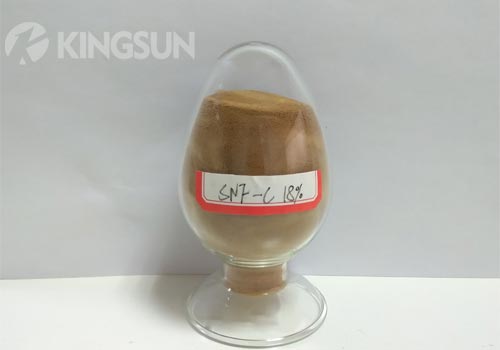
SNF-C, the full name is sodium naphthalene sulfonate formaldehyde condensate, is a highly effective water reducer widely used in concrete applications. It typically appears as a brown or light brown powder, is readily soluble in water, and has stable chemical properties. Both SNF-C and SNF-A belong to the naphthalene based superplasticizer family and play an important role in building materials, especially concrete admixtures. Their core ingredients are naphthalene, sulfuric acid, formaldehyde, and liquid alkali, undergoing sulfonation, hydrolysis, condensation, and neutralization reactions before drying to produce a powdered product. Their unique molecular structure imparts excellent performance.
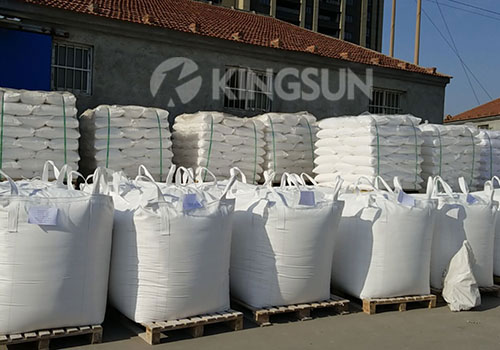
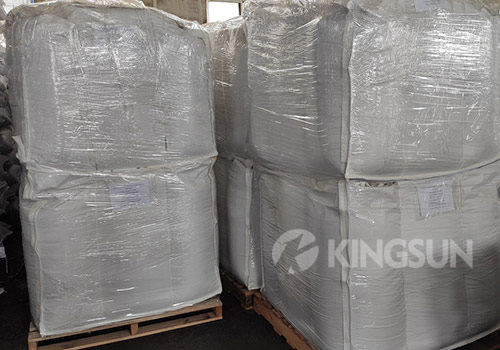
- Product: SNF-C
- Appearance: Brown Powder
- Solid Content (%) ≥: 92
- Na2SO4 Content (%)≤: 18
- PH Value: 7~9
- Water Reducing Rate(%): 23
- CAS No.: 36290-04-7

| Type | SNF-A | SNF-C |
| Solid Content (%) ≥ | 92% | |
| PH Value | 7-9 | |
| Na2SO4 Content (%)≤ | 5 | 18 |
| Chlorine Content (%)≤ | 0.3 | 0.5 |
| Net Starch Fluidity(mm)≥ | 250 | 230 |
| Water Reducing Rate(%) | 26 | 23 |
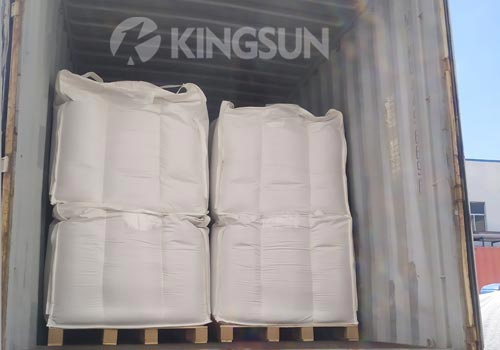
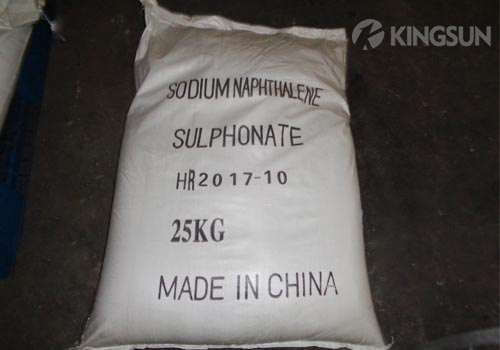
| Packing | 25kg pp bag; 650kg Jumbo bag. A customized package is available. | |
Application Areas of SNF-C Naphthalene Based Superplasticizer
- Conventional strength concrete projects. SNF-C is widely used in the construction of C25-C40 concrete structures in a wide range of industrial and civil buildings, such as multi-story residential buildings and commercial complex frameworks. It optimizes mix proportions, reduces cement usage, and saves costs while ensuring concrete workability. For example, in a C30 concrete residential project, the use of SNF-C water reducing admixture reduced cement usage by 30-40 kg per cubic meter of concrete, while maintaining consistent concrete quality.
- General hydraulic structures. Small dams, reservoirs, canals, and other hydraulic concrete projects require high concrete impermeability. SNF-C naphthalene superplasticizer can improve the impermeability rating and meet the project’s waterproofing needs. For example, in a small reservoir project, the use of SNF-C powder achieved a concrete impermeability rating of P8, effectively preventing water seepage.
- Precast concrete components. In the production of precast concrete components such as precast stairs, balcony slabs, and small precast piles, SNF-C superplasticizer can improve the early strength of concrete, shorten demolding time, and increase production efficiency. For example, in precast staircase production, the use of this powder can achieve 35%-45% of the design strength within one day, and the demolding time is reduced from three days to two days.
- Road and general bridge construction. In the concrete construction of urban roads, ordinary highway pavements, and general span bridges, SNF-C naphthalene based superplasticizer can improve the workability and durability of concrete. In road construction, it can reduce early cracking in concrete pavements and improve wear resistance; in bridge construction, it can enhance structural durability. For example, in the construction of a certain urban road concrete pavement, the use of SNF-C increased the pavement’s wear resistance by 20%, extending its service life.
-
Product Performance
-
Usage Tips
- Highly Effective Water Reduction. At a dosage of 0.5%–1.2% based on cement content, SNF-C powder can reduce concrete mixing water by approximately 22%–25%. For example, C35 concrete may require about 170 kg of water per cubic meter without a water reducer. With an appropriate dosage, water consumption can decrease to approximately 127.5–132.6 kg/m³. This reduction lowers the water-cement ratio and supports higher concrete strength and durability.
- Improved Strength Development. Its strong water-reducing performance helps lower the water-cement ratio and promote concrete strength development. Under the same workability and cement content, concrete may achieve strength increases of approximately 40%–60% after one day, 35%–55% after seven days, and 20%–40% after 28 days. Strength can also continue to develop over time. For example, in a C45 concrete project, using SNF-C increased the 28-day compressive strength from the designed 45 MPa to approximately 52 MPa.
- Good Workability Retention. This admixture improves concrete workability and can increase the initial slump by approximately 100–180 mm. Under suitable conditions, it can retain more than 70% of the initial slump for 1.5–2 hours. As a result, it helps control slump loss during long-distance transportation and extended placement of mass concrete. In addition, it improves cohesion and water retention. The typical bleeding rate remains at ≤2%, which helps reduce segregation and support a smoother surface and more uniform internal structure after hardening.
- Enhanced Durability. By reducing the water-cement ratio, the product helps increase concrete density and improve durability. Depending on the mix design and test conditions, concrete may improve its impermeability rating from P6 to P8–P10 and increase freeze-thaw resistance from 150 to approximately 300–400 cycles under the specified D-20 test conditions. It may also reduce 28-day carbonation depth by approximately 30%–50% and chloride-ion permeability by 30%–45%. These characteristics make the admixture suitable for concrete exposed to coastal, freezing, and other demanding environments.
- Broad Compatibility. SNF-C works with various cement types, including ordinary Portland cement, slag Portland cement, and fly ash cement. It can also work alongside other concrete admixtures, such as retarders, early-strength agents, and air-entraining agents. Therefore, engineers can adjust the concrete formulation according to specific strength, workability, setting, and construction requirements.
As a high-performance concrete admixture, SNF-C supports concrete performance across a wide range of construction applications. Proper dosage and handling help achieve the desired water reduction, workability, strength, and setting characteristics.
- Control the Dosage Precisely. The typical dosage ranges from 0.5%–1.2% of the cement content. Determine the final dosage through trial mixes according to the specific concrete requirements. Too little may provide insufficient water reduction and strength improvement, while excessive amounts can cause bleeding or abnormal setting. Therefore, conduct multiple trial mixes at different dosages and compare key performance indicators for each concrete strength grade. Then select the most suitable dosage.
- Conduct Cement Compatibility Testing. SNF-C performance can vary with cement properties. Cement with a high C₃A content (>8%) or high alkali content (>0.6%) may cause rapid slump loss or unstable setting. Therefore, test each new batch of cement before use. Measure the initial slump, one-hour slump loss, and initial and final setting times of the concrete. If excessive slump loss occurs, an appropriate amount of sodium gluconate may help improve workability retention. If the setting time becomes too long, adjust the water-reducer dosage or consider combining it with a suitable early-strength agent after compatibility testing.
- Monitor Sand and Gravel Quality. Aggregate properties can significantly affect the performance of this admixture. In particular, excessive mud content can reduce water-reduction efficiency. As a general guideline, keep sand mud content at ≤3% and stone mud content at ≤1%. In addition, maintain a suitable particle-size distribution to support concrete cohesion. For example, adjust the sand-to-gravel ratio when the sand fineness modulus falls outside the desired range. Furthermore, monitor aggregate moisture regularly and adjust the mixing water accordingly. Measuring moisture approximately every two hours can help maintain a stable water-cement ratio during continuous production.
SNF Market Price Analysis
The market price of SNF-C naphthalene superplasticizer is not static and is easily influenced by a combination of factors. First, regarding raw material costs, price fluctuations in basic raw materials such as naphthalene, sulfuric acid, and formaldehyde required for the production of SNF-C directly affect the price of the finished product. For example, if naphthalene is in short supply and its price rises, the production cost of SNF-C will inevitably increase, leading to a higher selling price. Secondly, the relationship between market supply and demand is equally crucial. During the peak construction season, when demand for SNF-C powder is high for various concrete projects and production capacity is limited, prices tend to rise. Conversely, during the off-season, when supply exceeds demand, prices may decline to some extent.