
PCE powder, or polycarboxylate superplasticizer powder, is produced through a specialized spray-drying process. Specifically, it contains various high-molecular-weight organic compounds that provide its key performance characteristics. In addition, it represents a new generation of environmentally friendly superplasticizers, offering a high water-reduction rate and excellent plasticity. As a result, this powdered admixture plays an important role in modern building-material applications.
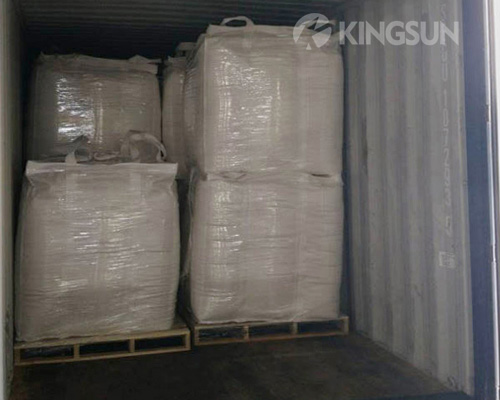
- Product Name: PCE Superplasticizer
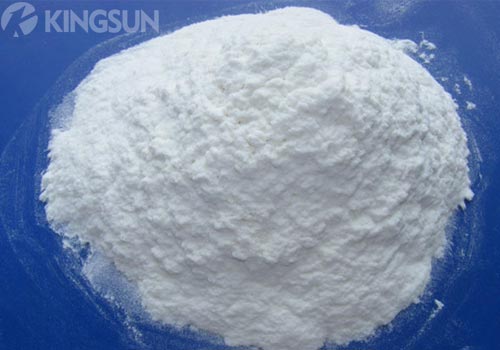
- Appearance: White powder
- Water Reducing Rate: ≥25%
- PH Value: 9.0±1.0
- HS Code: 38244010.00
- CAS No.: 62601-60-9

Key Features of PCE Polycarboxylate Superplasticizer Powder
High Water Reduction Rate. PCE powder can achieve a water reduction rate of up to 40% in cement-based grouts, gypsum-based grouts, and high-grade concrete. In addition, it provides strong water-reducing performance even at low dosages. This helps lower the water content in concrete or cement paste while improving fluidity and plasticity. As a result, the material becomes easier to mix, place, and process. At the same time, the lower water-cement ratio supports higher strength and better durability after hardening.
Excellent Dispersibility. The product provides cement paste with good fluidity, cohesion, and water retention, thereby improving overall workability. During concrete mixing, it disperses cement particles more evenly and helps prevent agglomeration. As a result, the concrete can achieve more consistent properties throughout the mix. Furthermore, better dispersion can improve construction efficiency and support different concrete formulation requirements.
Broad Compatibility. This admixture works well with ordinary Portland cement, sulfoaluminate cement systems, Portland cement-sulfoaluminate cement composite systems, and gypsum-based materials. Furthermore, it can blend with other additives, including defoamers, retarders, redispersible polymer powders, and cellulose. Therefore, formulators can incorporate it into a wide range of dry-mix and cement-based formulations.
Early Strength and High Strength. Under the same conditions, concrete and cement-based materials containing this product can achieve greater early strength development than those using conventional water reducing agents. Meanwhile, it can also support higher later-age strength. This characteristic suits projects that require both high strength and rapid construction. In addition, its efficient performance can help reduce admixture consumption and control material costs while meeting the required strength level.
High Durability. The admixture helps improve the density of hardened cementitious materials and supports better impermeability, corrosion resistance, and resistance to ion penetration. Moreover, it can help control shrinkage and creep and reduce the risk of cracking. Consequently, concrete can achieve better long-term durability. This makes the product suitable for demanding construction projects such as bridges, dams, and other infrastructure.
Green and Safe. PCE powder contains no intentionally added harmful substances under the specified formulation and production requirements. In addition, it supports cleaner and more sustainable concrete production by providing strong performance at relatively low dosages. Therefore, it can help meet the construction industry’s growing demand for environmentally responsible building materials.
| Items | Standard | ||||
| PCE Liquid (High Water Reduction) | PCE Liquid (High Slump Retention) | PCE Powder | |||
| Appearance | Light Yellow Liquid | Clear Transparent Liquid | White Powder | ||
| Solid Content, % | 50±1.0 | 50±1.0 | 98±1.0 | ||
| Density (23℃) (kg/m3) | 1.13±0.02 | 1.05-1.10 | 600±50 | ||
| PH | 6.5-8.5 | 6.5-8.5 | 9.0±1.0 | ||
| Chloride Content,% ≤ | 0.1 | 0.1 | 0.1 | ||
| Na2SO4 (by solid content), % ≤ | 4.0 | 4.0 | 4.0 | ||
| Solubility | Completely Soluble | ||||
| Water reducing ratio, % ≥ | 25 | ||||
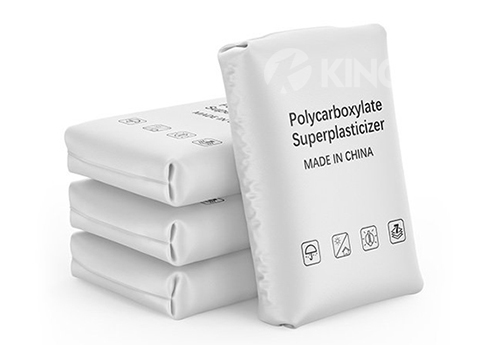
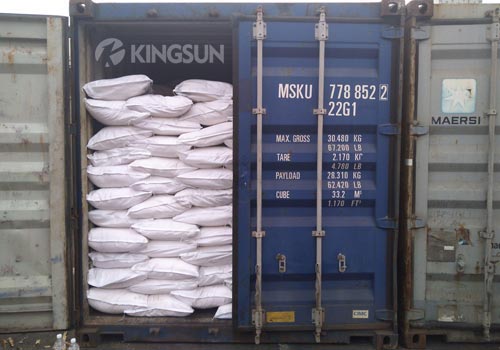
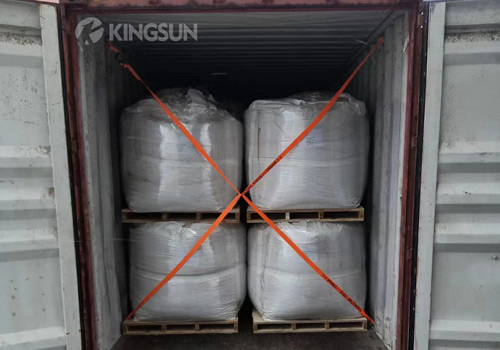
| Packing | The packing of PCE liquid is 230kg PE drum, 1100kg IBC tank or flexitank. But for PCE superplasticizer powder, its packing is 25 kg PP woven bag. | ||||
-
Applications of PCE Powder
-
About PCE Price
-
Production Process
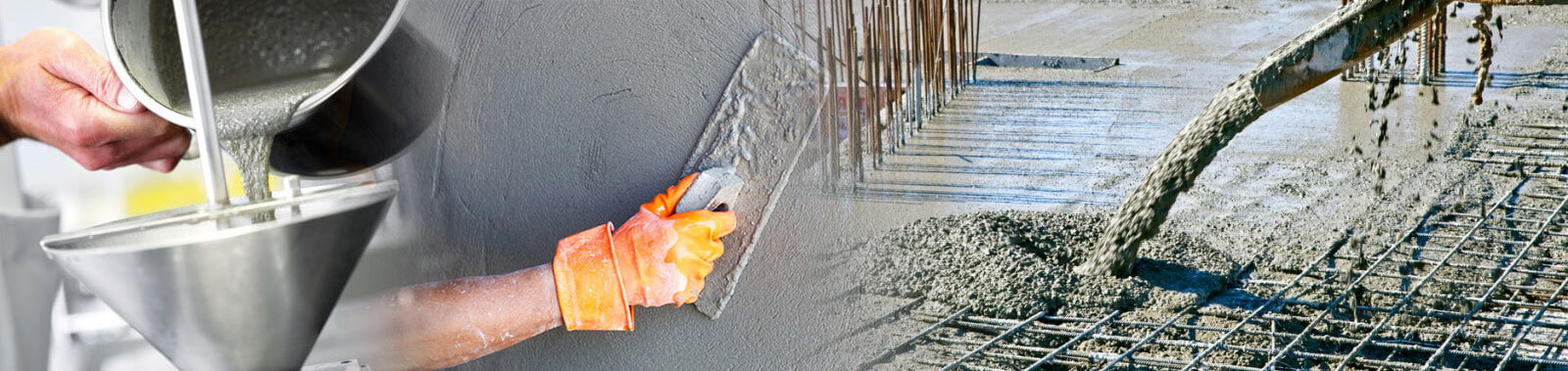
Concrete Engineering. PCE powder is widely used in precast and cast-in-place concrete for various industrial and civil construction projects. It is suitable for high-strength, high-performance, high-durability, high-flow, vibration-free, self-leveling, self-compacting, and steel fiber-reinforced concrete. In high-rise building construction, it can produce highly fluid and high-strength concrete that meets pumping requirements and supports consistent pouring quality. Furthermore, in large-volume concrete projects such as dam construction, it helps reduce hydration heat and minimize cracking. As a result, it can contribute to improved durability and long-term concrete performance.
Cement Products. In addition, the product is used in the manufacture of cement flues and precast concrete components. It improves the molding properties of cement products while supporting better strength and surface appearance. Consequently, finished components can achieve greater reliability during transportation, installation, and service.
Grouting Materials. Furthermore, this admixture is suitable for pipeline grouting, repair grouting, and specialized early-strength grouting. It provides excellent flowability and filling performance, allowing the grout to fill narrow spaces more effectively. Therefore, it helps achieve more complete grouting and supports overall project quality. For example, during the grouting of prestressed bridge pipes, it promotes effective filling and supports reliable bonding between prestressed tendons and concrete.
The raw materials used in PCE powder production, such as polycarboxylate-based water-reducing agent monomers and initiators, are susceptible to international crude oil prices and the supply and demand of chemical raw materials, resulting in frequent price fluctuations. For example, rising crude oil prices can drive up the prices of basic chemical raw materials like ethylene, thereby increasing the production cost of PCE powder. These cost fluctuations can lead to unstable product prices and hinder market adoption. Companies should address these challenges by establishing long-term, stable partnerships with raw material suppliers and optimizing production processes to reduce energy consumption. For example, adopting new polymerization processes can shorten reaction times, reduce raw material consumption, and stabilize costs.
The raw materials for PCE powder production include polycarboxylate superplasticizer small monomers, functional small monomers, macromonomers, initiators, and chain transfer agents. These raw materials are first polymerized through a specific process to form a polycarboxylate superplasticizer mother liquor. This mother liquor is then spray-dried. Under high temperature, the mother liquor is atomized into tiny droplets. These droplets rapidly come into contact with hot air, causing the water to evaporate instantly, ultimately resulting in a dry PCE powder product. During the production process, precise control of the raw material ratio, polymerization reaction conditions (such as temperature, pressure, and reaction time), and spray drying parameters (such as inlet and outlet air temperatures and spray pressure) is crucial to ensure consistent product quality and performance.
Why Choose Kingsun Company
- As a leading PCE powder manufacturer and supplier in China, Kingsun has the advanced production lines and an annual production capacity of up to 120,000 tons.
- We can provide free samples, sufficient inventory and more competitive prices for all the customers.
- All of kingsun concrete admixtures have passed many certifications, such as ISO 9001, ISO4001、SGS, etc.
- Our main markets are in the Middle East, Southeast Asia, South America, Central Asia and Europe.